The Take You Never Saw: Britain’s Unit Stills Photographers on Shooting the Spaces Between
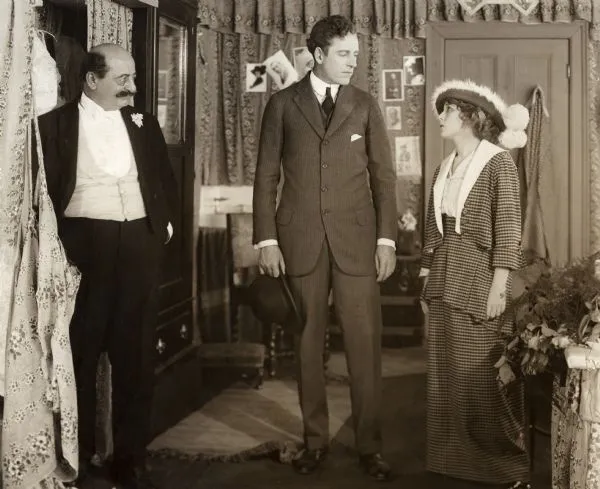
Photo: Wisconsin Center for Film and Theater Research, Public domain, via Wikimedia Commons
At 6.42am on a wet Tuesday in Cardiff, a stills photographer is already on set. The riggers are still walking the floor, the tea urn is doing its first urgent business, and the actors are somewhere between makeup and the call sheet. The photographer is not shooting the scene yet. They are shooting the space before the scene: the gaffer checking a cable, a runner taping a mark to the floor, a director staring at a monitor that has not yet shown anything worth staring at.
This is the strange, essential work of the UK’s unit stills photographers. They are hired to make images that will sell a film, document its making, and sometimes quietly rescue its reputation. But the best of them are also doing something less official: they are catching the film that exists around the film. The one that never gets graded, scored, or cut into a two-hour release.
The Ghost on the Call Sheet
A unit stills photographer occupies an odd place in the hierarchy. They are crew, but they are also a guest. They need to be close enough to catch a look between actors, and far enough away not to break it. They need to know when the shutter will be heard, when the mirrorless silent mode is a blessing, and when the director wants the ritual of a camera click to mark a moment.
On a British set, that means reading the room. A Pinewood stage has its own weather system: cold corners, hot lights, and a crew who can tell from the walk of the first AD whether the day is going to be smooth. A location shoot in Glasgow or a warehouse in Manchester’s Space Studios has different rhythms. Rain is not an interruption; it is a collaborator. Stills photographers learn to work with the grey. They learn that a soft, flat sky can be a gift if you expose for the faces and let the city do the mood.
The role is part documentarian, part diplomat, part ghost. You are there for the lighting tests, the rehearsals, the jokes between takes, and the sudden silence before a difficult scene. You are also there when an actor is tired, when a stunt has gone slightly wrong, or when a set is being dismantled around a performance that has just ended. The images from those moments are rarely the ones used on the poster. They are the ones that make the crew say, quietly, ‘That’s what it was like.’
From Contact Sheet to Camera Roll
Digital changed the job in ways that are easy to list and harder to feel. A photographer can now shoot thousands of frames, check focus on a screen, and send selects to a unit publicist before the cast has left the trailer. Silent shutters have made it easier to work during intimate scenes. High ISO has made available-light shooting possible in places that would have once required a truck full of lamps.
But speed is not the same as access. In 2026, the appetite for images has grown while the time allocated to make them has shrunk. Social media teams want vertical crops. Press departments want clean, approved frames. Distributors want behind-the-scenes content that looks spontaneous but is cleared through three desks. The stills photographer is often the only person on set who can deliver something that feels human without breaking the chain of approvals.
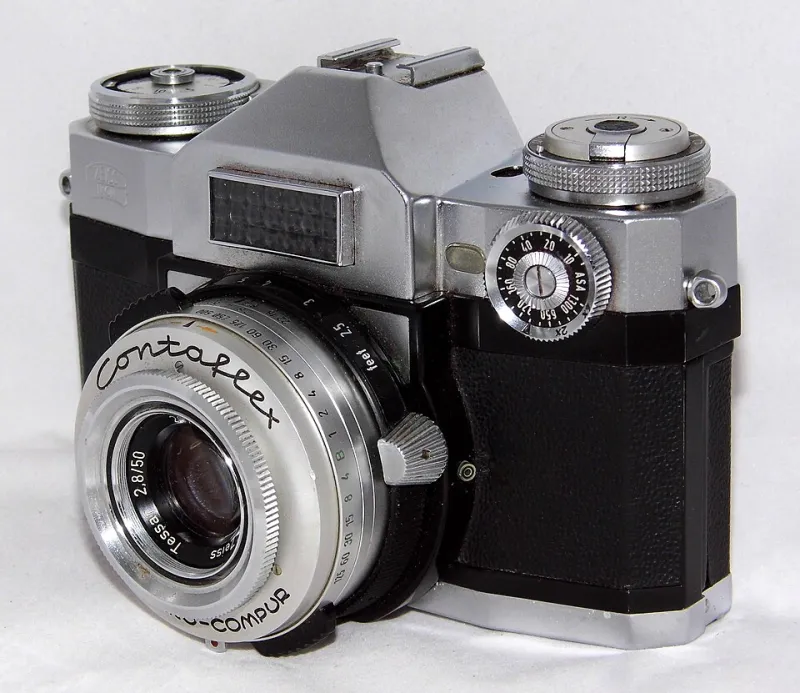
Some photographers still carry a 35mm body for personal frames, but analogue is not a nostalgia trip here. It is a different kind of attention. When you have thirty-six exposures, you wait. You watch. You do not machine-gun the room. That discipline has not disappeared; it has just become a choice rather than a default.
The Image That Outlives the Cut
A film is a constructed dream. A still can reveal the scaffolding. That is why the best set images often do not look like film frames at all. They show the edge of the set, the boom operator in a corner, the director crouched beside a monitor, the actor in a dressing gown between takes. They are evidence of labour. They remind you that the thing you are watching in the cinema was made by people who stood in the rain and drank tea and tried again.
They also outlive the film. Scenes get cut. Performances get reshaped in the edit. A still photograph can be the only visual record of a day that vanished from the final version. Archives across the UK know this well. Production company stills libraries, the BFI’s collections, and regional film archives hold images that are not just marketing material but industrial history. They show how British crews worked, what a stage looked like in a particular decade, and how a director’s idea changed between the first read-through and the final grade.
That is why the stills photographer’s eye matters. The job is not to reproduce the cinematographer’s framing. It is to find the other story: the unguarded glance, the crew huddle, the prop that will be famous in six months, the light stand that is about to fall. The camera is small. The moment is not.
What Makes a Set Photographer
You need patience, but not passivity. You need to know when to ask and when to disappear. You need a decent pair of boots. You need to understand that the image you love may never be used, and the image the marketing team loves may be the one you took in four seconds while walking backwards.
Most of all, you need to be curious about the gaps. The spaces between action and cut. The minutes before the first take. The look an actor gives the director when a scene finally clicks. Those are the frames that tell a truer story than the film itself, because they are not trying to be the film. They are trying to remember what it felt like to make it.
Icarus Studios is built on the idea that the best adventures in film often happen at the edges of the frame. The unit stills photographers know that better than anyone. They fly close to the production, keep their distance, and bring back the images that let the rest of us see how the dream was built.