Light Through Plastic: A Night in the Booths Keeping 35mm Cinema Alive
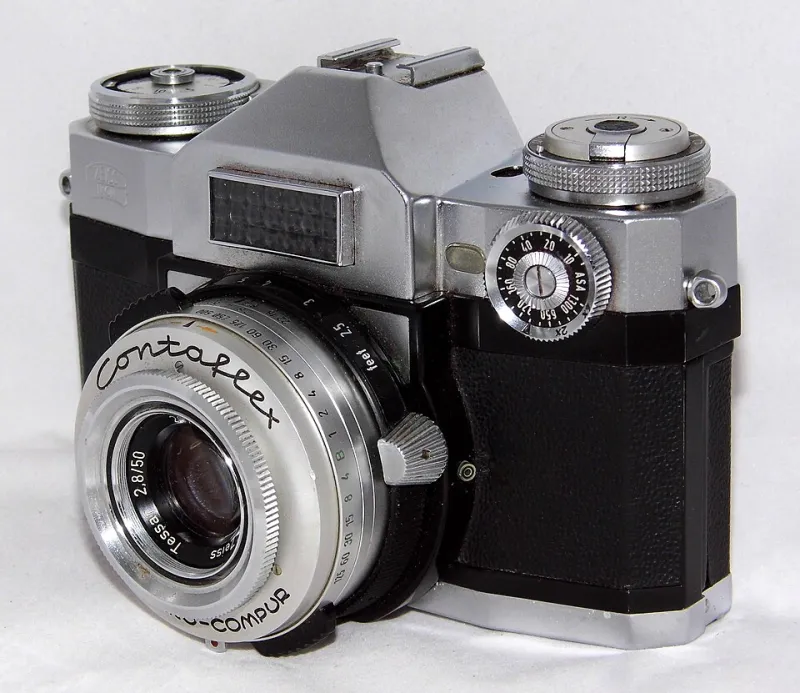
Photo: Joe Haupt from USA, CC BY-SA 2.0, via Wikimedia Commons
The booth smells of warm oil and old dust. There is a faint electrical hum, the kind you feel in your teeth before you hear it, and a row of metal reels standing like quiet wheels waiting for a road. Downstairs, the audience is finding seats and rustling bags of crisps. Up here, a projectionist is doing something that looks suspiciously like craft: checking a splice with a thumbnail, lining up sprocket holes, threading a strip of 35mm film through a path of rollers and gates as if setting up a very expensive sewing machine.
In 2026, this is not the default way to show a film. Most UK cinemas have long since moved to digital projection, where a film arrives as a file and a key, and the screen is lit by a projector that behaves more like a computer than a machine. But a stubborn, passionate network of independent venues still runs 35mm prints, often alongside digital. They programme repertory seasons, cult classics, archive restorations and the occasional new release struck on film. The result is a viewing experience that feels less like pressing play and more like watching a live performance.
The booth as workshop
A 35mm projector is not a mysterious black box. It is a mechanical system, and the projectionist has to understand its moods. The film must be threaded correctly through the gate, the sound head, the tension rollers and the take-up reel. The lamp has to be struck and brought up to the right brightness. The focus has to be checked. The framing has to be right, because an audience will notice immediately if the top of someone's head is missing.
Then there are the small rituals. The leader at the start of the reel, with its countdown numbers and cue marks. The cue dots that tell the projectionist when to change over from one reel to the next, if the cinema is running reel-to-reel rather than on a platter. The splice, made with tape or cement, that has to be strong enough to survive the pull of the machine but not so bulky that it clatters through the gate. A bad splice can announce itself like a tiny gunshot. A good one disappears.
In one West Country independent cinema, the projectionist keeps a small drawer of tools that would not look out of place in a jeweller's workshop: tweezers, a splicer, a hole punch, a soft brush, a set of Allen keys, and a torch that has been dropped so many times it is held together with tape. The booth is not a clean-room. It is a workshop, and the film is the material.
The join is the thing
Ask a projectionist what separates a good show from a great one and they will often talk about the joins. Splicing is where the analogue craft becomes visible. The frames have to line up exactly. The soundtrack, which runs along the edge of the print, has to stay in sync. The tape has to be trimmed so it does not catch. On a well-prepared print, the joins are almost invisible. On a badly prepared one, they become events: a jump, a flicker, a burst of static, a sudden drop in sound.
This is why repertory cinema is not simply a matter of booking a title and pressing go. Prints have to be sourced, inspected, cleaned, repaired and sometimes rebuilt. A distributor or archive might supply a print in several reels. The projectionist has to check every foot of it, looking for tears, weak splices, scratched emulsion and the dreaded 'cinema memory' of old damage. Some prints arrive with a history written into them: a scratch down one side from a misaligned gate in 1987, a splice made in a hurry at a festival, a faded colour that tells you the film has been loved and shown many times.
For audiences, that history is part of the appeal. A 35mm screening in 2026 is not a nostalgia trip for everyone in the room. For some, it is the first time they have seen a film projected from celluloid. They notice the grain. They notice the gate weave, the tiny movement of the image that digital projection does not have. They notice the occasional dust mote or scratch, not as a fault but as a reminder that they are watching a physical object travel through a machine at 24 frames per second.
Why prints still pull a crowd
The commercial logic of 35mm is not obvious. Prints are heavy, fragile and expensive to store and ship. They can be damaged in transit. They need skilled staff. Digital is cheaper, cleaner and more flexible. And yet, in 2026, independent UK cinemas report that film screenings can be events. A 35mm print of a well-known film can fill a screen on a Tuesday night. A season of archive prints can draw audiences who want to see the texture of a particular era, or who simply want to sit in a room with other people and watch light pass through plastic.
There is also a curatorial argument. A projectionist who cares for prints becomes a kind of programmer by default. They know which titles survive in good condition, which need a sympathetic projector, which are better on 16mm, which should be shown on digital because the only surviving print is too fragile to run. They develop relationships with archives, distributors and other cinemas. They trade knowledge. They know that a certain print has a reputation for a sticky reel three, or that a particular lamp house runs hot and needs watching.
This is the invisible labour behind a repertory screening. The audience sees a film. The projectionist sees a chain of decisions: the print, the route, the splice, the changeover, the focus, the volume, the curtain. When it works, all of that disappears into the experience. When it fails, it fails publicly. There is no undo button in the booth.
Keeping the lamp lit
The bigger challenge is people. 35mm projection is a skill passed on through training and apprenticeship, and the pool of experienced projectionists in the UK is not large. Some learned in the multiplex era before digital took over. Some are self-taught enthusiasts who moved from collecting prints to running them. Some are technicians at archives and film festivals. Independent cinemas often rely on a small number of people who can be called when a print needs checking or a machine needs coaxing back to life.
Parts can be hard to find. Projectors are robust, but they are not immortal. A worn sprocket, a failed motor, a cracked lens, a temperamental platter: these are the kinds of problems that require patience, a network of contacts and sometimes a workshop that can fabricate a replacement. The machines are maintained with the same mix of love and practicality as old motorcycles. You listen to them. You learn their noises.
And yet the appetite is there. In 2026, audiences are increasingly interested in the tangible. Vinyl has its own revival. Photographic film is still being shot and processed. The zine has returned. It makes sense that cinema should have its own analogue current, not as a replacement for digital but as a different kind of pleasure. A 35mm screening is slower, more deliberate, more obviously a event. It asks you to notice the medium.
At Icarus Studios, we like that. We like the idea that a beam of light can still carry a strip of plastic through a gate and onto a screen, and that a room full of people can sit together in the dark and watch it happen. The projectionists in the booths are not holding back the future. They are keeping a door open to a different way of watching. As the reels turn and the lamp hums, the past is not past. It is running at 24 frames per second, just above your head.