Salt on the Proscenium: A Photographer’s Field Notes from Britain’s Pier Theatres
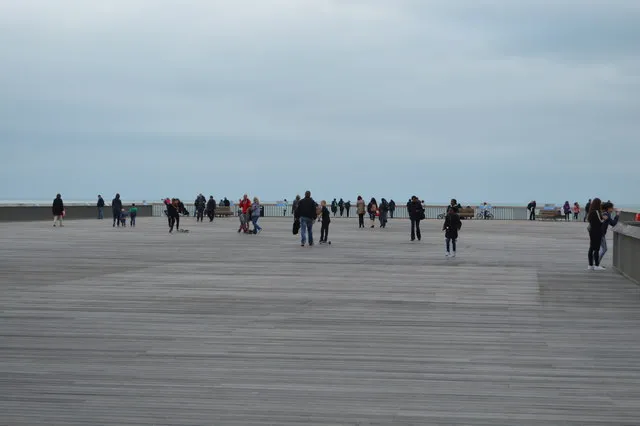
Photo: N Chadwick , CC BY-SA 2.0, via Wikimedia Commons
At the end of Cromer’s pier, the wind does most of the talking. It rattles the signage, pushes at the doors and leaves a fine bloom of salt on everything that faces the sea. Inside the Pavilion Theatre, the air smells of dust, rope and cold radiators. A hand-painted backcloth hangs above the stage like a giant, slightly stubborn painting. Up close, you can see where the brushwork has been touched in, patched and loved back into service.
This is the peculiar magic of Britain’s end-of-pier theatres. They are performance rooms, yes, but they are also film sets waiting to happen and photographic subject matter of the highest order. The architecture is tight, the light is awkward and the weather is always part of the story. In 2026, with so many seaside venues running on volunteer energy and lottery-funded repairs, they feel less like heritage attractions and more like living workshops. That is exactly how they should be photographed.
The room that behaves like a set
Most pier theatres were never designed for the camera. They were designed to get a crowd in out of the rain, seat them close to the stage and send them home with sand in their shoes. The result is a compressed, layered space: a shallow auditorium, a proscenium arch that frames the stage like a picture, and a ceiling low enough to make every lighting decision visible.
For a photographer, that is a gift. You do not need to build a set. The room already is one. A painted backcloth, a row of worn seats, a sign that says TEA AND CAKES in letters slightly softened by damp — these are the details that location scouts spend weeks trying to fake. The trick is to shoot the room as it is, not as you wish it were.
On a recent visit to a pier theatre on the east coast, the volunteer team was preparing for a weekend pantomime. One painter was mixing a blue that matched the old cloth rather than the new one. “You don’t want it to look new,” she said. “You want it to look like it has always been here.” That is a useful note for any photographer working in these spaces. The patina is not damage. It is the collaboration between makers, weather and time.
Salt, silk and scenery
The backcloths are the stars. Many are painted on heavy cotton or canvas, stretched and tied off, then repainted season after season. The best ones have a softness that digital printing cannot imitate: visible brush marks, tiny drips, areas where the pigment has thinned. They also behave like large, fragile filters. Light rakes across them, picks up texture and turns the stage into a shallow relief map of hills, harbours and pantomime forests.
Salt is the other collaborator. It gets into metalwork, eats at fixings and leaves a chalky residue on painted surfaces. It also makes photographs. A close-up of a salt-bitten sign, a flaking proscenium edge or a rope tied off against a sea-facing window can say more about the building than a wide shot ever will. The mistake is to clean it all up in post. The room is not a showroom. Let the weather show.
Shooting the room, not the museum
The first rule is permission. These are working venues, often run by trusts or volunteer committees with tight budgets and long to-do lists. Email ahead, explain what you want to photograph and ask where you can stand. Offer to avoid rehearsal times, or to shoot during a changeover when the stage is lit but empty. If there is an audience, stay out of sightlines and never use flash during a performance.
The second rule is respect. Do not lean on painted flats, do not put tape on hand-painted surfaces and do not move props without asking. Tripod feet should have rubber cups, and bags should stay off the seats. If you need to flag a light, use a proper stand and sandbag it. The building has survived decades of wind and salt. It does not need a photographer’s shortcut.
The third rule is to work with the light you have. Pier theatres often mix tungsten house lights, cold daylight from doors and whatever spills from the stage. That mixture can be beautiful. Shoot raw, bracket your exposures and be prepared to correct colour in layers rather than trying to neutralise everything on site. A slightly warm backcloth against a cold sea-facing window is not a mistake. It is the truth of the room.
The practical kit list
Take a fast prime lens — something around 35mm or 50mm on full frame — because the rooms are tight and the light is low. A wider lens is useful for the auditorium, but it will distort the proscenium if you are not careful. Bring a microfibre cloth for sea spray on the front element, a lens hood to cut stray light from doorways, and a small torch for checking details without touching them. A monopod can be more useful than a tripod in cramped aisles.
Do not bring a drone. Do not bring a flash you plan to bounce off a painted ceiling. Do not bring gaffer tape and assume it will come off old paint. If you need to secure a cable, ask first and use painter’s tape on a discreet surface. And check the tide and wind before you travel. A pier is a weather system with a theatre attached.
Why it matters
These rooms are not just quaint. They are working examples of British stage design, volunteer craft and seaside stubbornness. Photographing them well means paying attention to the way a painted cloth sits in a room, the way a sign has aged, the way a low ceiling makes a stage feel intimate. It means treating the building as a collaborator rather than a backdrop.
So next time you are on a promenade, walk past the arcade and keep going. The theatre at the end of the pier is probably open, probably a bit cold, and probably covered in the kind of texture that money cannot buy. Ask nicely, take your time and leave the salt where it is. The room will do the rest.