Reservoir Wings and Concrete Ghosts: A Photographer’s Field Guide to Britain’s Aviation Relics
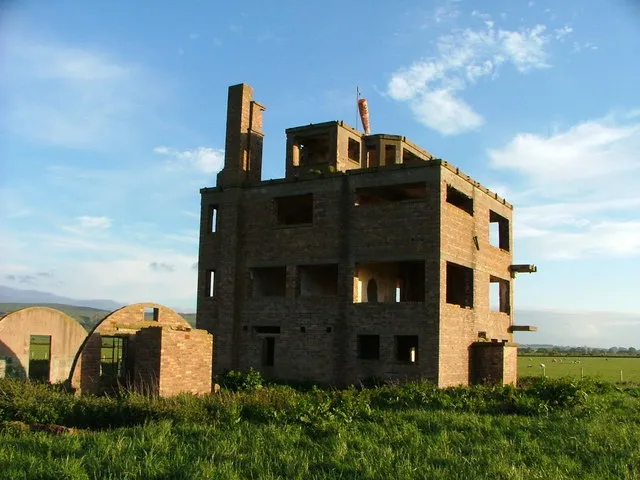
Photo: Steven Brown, CC BY-SA 2.0, via Wikimedia Commons
Britain is crisscrossed with aviation stories that never made it into the in-flight magazine. They are written in concrete, corrugated iron and faded runway markings: the satellite airfield that trained bomber crews, the flying-boat slipway that once launched lumbering Sunderlands, the control tower now looked after by a volunteer with a thermos and a key. For photographers, these places offer something increasingly rare — atmosphere you can walk through.
This is not a guide to breaking into secure sites. It is a guide to shooting the aviation heritage that is open, overlooked and often run on goodwill. Bring boots, patience and a willingness to ask permission.
Why aviation landscapes work on camera
Aviation heritage gives you scale, texture and story in the same frame. Concrete runways crack into abstract patterns. Control towers offer clean geometry against big skies. Hangars give you light shafts, dust and the ghost of maintenance. And because many of these sites are flat and exposed, the weather becomes part of the picture rather than something to hide from.
The best images tend to come from treating the place as a landscape first and an aircraft site second. Look for leading lines in taxiways, repetition in fence posts, negative space in empty aprons. A single abandoned building can carry a whole frame if the light is doing something interesting behind it.
Three landscapes worth the drive
RAF Davidstow Moor, Cornwall
High on Bodmin Moor, this former Coastal Command station feels less like a museum and more like a weather event. The concrete remains, the wide skies and the exposed position make it a fantastic place for moody, low-contrast images. Go early, watch the cloud, and keep an eye on the ground: the textures here are as interesting as the buildings.
Pembroke Dock and the flying-boat story
Pembroke Dock in Wales was once one of the great flying-boat bases, launching Sunderlands out into the haven. The heritage is remembered locally, and the surrounding estuaries and reservoirs offer the kind of flat, reflective water that suits quiet, atmospheric frames. Think long lenses, soft light and a respectful distance from anything operational.
Volunteer-run museums and satellite airfields
Places like the Yorkshire Air Museum at Elvington or the Newark Air Museum are not abandoned ruins — they are working heritage sites run by people who care deeply. That changes the brief. You are not there to romanticise decay. You are there to document preservation, craftsmanship and the strange beauty of a hangar full of aircraft at rest. Ask first, follow the rules, and don't climb on anything.
Access: the boring bits that save the day
Most aviation heritage sites in the UK are private land, charity-run or Ministry of Defence property. That means three things: check opening times, ask before you shoot, and never assume a gap in the fence is an invitation.
- Check the site's website or social media before travelling. Volunteer-run museums often have limited hours.
- Email or phone ahead if you want to use a tripod, drone or professional kit. Many sites have clear policies.
- Respect memorials and active operations. If there is a service, a service crew or a restricted area, stay out of it.
- Follow the UK CAA drone code. No flying near airfields, crowds or restricted airspace without permission.
- Carry cash for small museum shops. A donation is a thank-you, not a transaction.
Light and composition
Overcast days are your friend here. Flat light lets concrete texture and faded paint do the talking. For control towers and hangars, blue hour can be magic — the building becomes a silhouette and any interior lights start to glow. Golden hour works best when you have a long runway or a big sky to play with.
Composition-wise, look for three things: a strong line, a sense of scale and a human detail. A runway centreline leading to a distant tower. A tiny figure in a huge hangar. A chair, a mug or a toolbox that reminds you people still work here. Those details stop the image from becoming a generic ruin.
Kit and conditions
The UK weather will test your bag. A weather-sealed body, a standard zoom and a wide prime will cover most situations. A polariser helps with reflective water and wet concrete. A tripod is useful for blue hour and interiors, but check the site's policy first. Bring layers, waterproof trousers and footwear that can handle mud, grass and broken tarmac.
Behind the scenes: the volunteers
The real story of Britain's aviation heritage is not the aircraft. It is the people who keep the lights on. Volunteers restore cockpits, mow grass, catalogue photographs and open the gate on a Sunday morning because they believe the place matters. If you get the chance, talk to them. Their stories will give your photographs a depth that no amount of editing can fake.
A final pre-flight checklist
Charge your batteries, pack a cloth for rain, check the opening times, ask permission, and leave the place as you found it. The best aviation photographs are not taken in a hurry. They come from waiting for the light, respecting the site and accepting that the story is bigger than the frame.